Plant Genetics and Modern Research
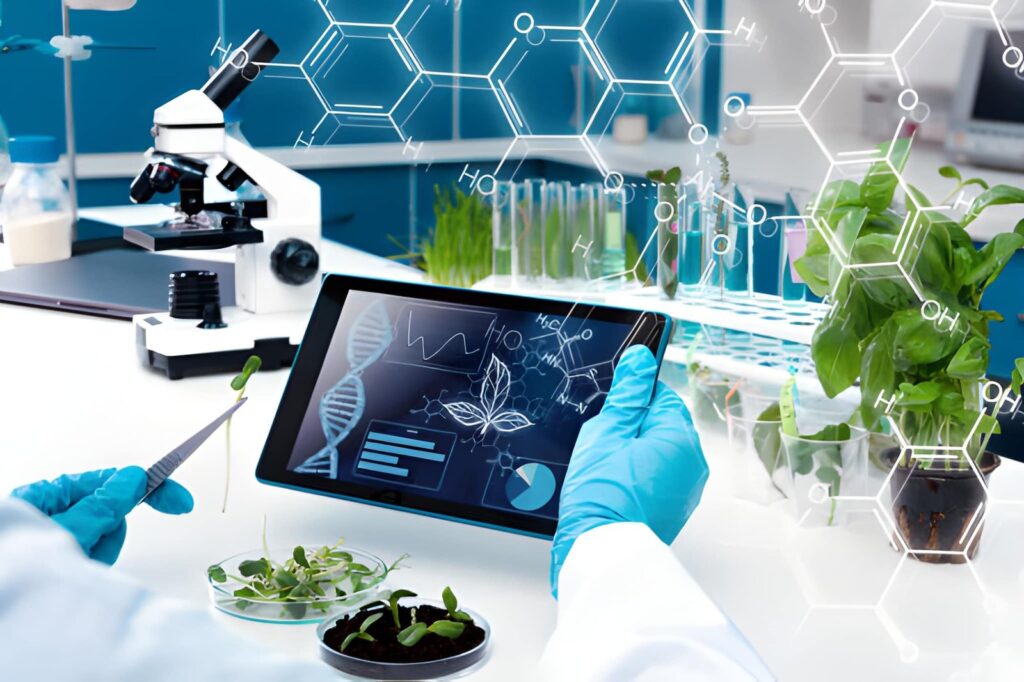
Plant genetics is one of the most important fields in modern TG88 science, shaping the future of agriculture, food security, environmental protection, and medicine. By studying how plants inherit traits, adapt to changing conditions, and respond to diseases, researchers can develop stronger, healthier, and more productive crops. As the global population grows and climate change creates new challenges, plant genetics and modern research are becoming essential tools for building a more sustainable future.
What Is Plant Genetics?
Plant genetics is the study of genes, heredity, and variation in plants. Genes are segments of DNA that carry instructions for how a plant grows, develops, and responds to its environment. These instructions influence traits such as height, seed size, flower color, drought tolerance, disease resistance, and nutritional value.
For thousands of years, farmers have practiced basic plant genetics through selective breeding. They saved seeds from the best-performing plants and used them for the next season. Over time, this process improved crop quality and yield. Today, modern research uses advanced technologies to understand plant DNA at a much deeper level, allowing scientists to make faster and more precise improvements.
The Role of DNA in Plant Development
DNA is the genetic blueprint of every plant. It determines how cells divide, how roots and leaves form, and how plants produce fruits, seeds, and flowers. By analyzing plant genomes, researchers can identify specific genes linked to valuable traits.
For example, scientists can locate genes responsible for resistance to fungal diseases or tolerance to dry soil. Once these genes are identified, they can be used in breeding programs to develop crop varieties that perform better under stressful conditions. This knowledge helps reduce crop losses and supports more reliable food production.
Modern Tools in Plant Genetics Research
Modern plant genetics relies on powerful scientific tools that allow researchers to study and modify plant genomes with great accuracy. One of the most important technologies is genome sequencing. This process reveals the complete DNA sequence of a plant, helping scientists understand its genetic structure.
Another key tool is marker-assisted selection. Genetic markers are DNA sequences linked to specific traits. By using these markers, breeders can identify promising plants at an early stage, saving time and resources.
Gene editing, especially CRISPR technology, has also transformed plant genetics research. CRISPR allows scientists to make precise changes in plant DNA. Unlike older methods, gene editing can target specific genes without changing the entire genome. This makes it possible to improve crops more efficiently and accurately.
Plant Genetics and Crop Improvement
One of the main goals of plant genetics is crop improvement. Modern research helps scientists develop crops with higher yields, better quality, and improved resistance to pests and diseases. This is especially important as farmers face pressure to produce more food on limited land.
Through plant genetics, researchers can create wheat, rice, maize, and soybean varieties that grow well in difficult environments. For example, drought-tolerant crops can survive with less water, while salt-tolerant plants can grow in soils affected by salinity. These improvements are vital for regions where climate change is making traditional farming more difficult.
Plant genetics also supports the development of crops with enhanced nutritional value. Biofortified crops, such as rice with increased vitamin content or beans with higher iron levels, can help reduce malnutrition in vulnerable populations.
Climate Change and Plant Adaptation
Climate change is one of the biggest threats to agriculture. Rising temperatures, unpredictable rainfall, floods, droughts, and new pest outbreaks all affect plant growth. Modern plant genetics research helps scientists understand how plants adapt to environmental stress.
By studying stress-response genes, researchers can identify the mechanisms plants use to survive harsh conditions. This information can be used to breed crops that are more resilient. For example, some plants naturally produce proteins that protect their cells during heat or drought. If scientists understand these genetic traits, they can introduce them into important food crops.
Climate-resilient crops are essential for maintaining food supplies in the future. They can help farmers reduce losses, use fewer resources, and adapt to changing environmental conditions.
Disease Resistance in Plants
Plant diseases caused by fungi, bacteria, viruses, and other pathogens can destroy entire harvests. Traditional disease control often depends on chemical pesticides, but excessive pesticide use can harm the environment and increase production costs.
Plant genetics offers a more sustainable solution. Researchers can identify genes that provide natural resistance to diseases. These genes can then be used in breeding programs to create resistant varieties. Disease-resistant crops reduce the need for chemical treatments and support healthier ecosystems.
Modern research also helps scientists monitor how pathogens evolve. This allows breeders to stay ahead of new disease strains and develop crops with long-lasting resistance.
Genetic Diversity and Conservation
Genetic diversity is the foundation of plant improvement. It refers to the variety of genes found within a plant species or among related species. Wild plants, traditional crop varieties, and seed banks all contain valuable genetic resources.
Modern agriculture often relies on a limited number of crop varieties, which can make food systems vulnerable to disease and environmental stress. By conserving genetic diversity, scientists preserve traits that may be useful in the future.
Seed banks and botanical research centers play a major role in protecting plant genetic resources. These collections help researchers access rare traits, such as pest resistance, drought tolerance, or unique nutritional qualities.
Ethical and Environmental Considerations
While plant genetics offers many benefits, it also raises ethical and environmental questions. Gene editing and genetically modified organisms are often discussed in relation to food safety, biodiversity, and regulation. It is important for research to be transparent, carefully tested, and guided by strong scientific standards.
Public education is also essential. When people understand how plant genetics works, they can make informed decisions about agricultural technologies. Responsible research can help ensure that genetic advances benefit farmers, consumers, and the environment.
The Future of Plant Genetics
The future of plant genetics and modern research is full of promise. Advances in artificial intelligence, data science, and biotechnology are making it easier to analyze complex plant genomes. Scientists can now study how thousands of genes interact with each other and with the environment.
Future crops may be more productive, nutritious, and sustainable than ever before. They may require less water, fewer fertilizers, and fewer pesticides. Plant genetics will also support renewable materials, biofuels, and plant-based medicines.
Conclusion
Plant genetics and modern research are transforming the way we understand and improve plants. From increasing crop yields to fighting diseases and adapting to climate change, this field plays a critical role in global food security and environmental sustainability. As technology continues Nạp tiền TG88 to advance, plant genetics will remain a key driver of innovation in agriculture, helping create a healthier and more resilient future for people and the planet.